TikTok Ads for Australian Small Businesses: Is It Worth It?
TikTok Ads can be worth it for Australian small businesses, but only under the right conditions. The platform rewards creative, authentic short-form video and offers precise interest and demographic targeting. If your audience is broadly under 45, your product is visual, and you can produce consistent video content, TikTok Ads can deliver strong awareness and measurable conversions at a competitive cost per click.
Who is actually using TikTok in Australia?
TikTok’s Australian audience is far broader than the teenager stereotype suggests. As of 2024, TikTok Australia reported over 8.5 million monthly active users, with a growing share aged 25 to 44. That puts a huge slice of working-age Australians, many with real purchasing power, squarely in the feed. For a small business selling lifestyle products, home services, food, fashion or anything with a strong visual identity, that audience size is genuinely hard to ignore.
The platform also skews heavily toward discovery. People on TikTok are not necessarily searching for your product the way they might on Google, but they are absolutely open to finding something new. That passive, scroll-driven mindset is actually a gift for brands willing to show up in a way that feels native to the platform. Disruptive, polished ads tend to get skipped. Honest, relatable short videos that look like organic content tend to stop the scroll.
What do TikTok Ads cost for a small Australian business?
TikTok Ads typically require a minimum campaign budget of around $50 AUD per day, with ad group minimums sitting at roughly $20 AUD per day. That makes the absolute floor for a live campaign somewhere between $140 and $350 AUD per week, depending on how many ad sets you run. Cost per thousand impressions (CPM) on TikTok in Australia has historically tracked lower than Facebook and Instagram for comparable audiences, which means your budget can stretch further in terms of raw reach, particularly during launch phases.
Where costs climb is in creative production. TikTok rewards volume and variety. Running a single static image the way you might on Meta is not really an option. You need short video, ideally between 15 and 30 seconds, shot in vertical format, with a hook in the first two or three seconds. If you can produce that content yourself with a phone and a bit of confidence on camera, your effective cost stays low. If you need to outsource video production for every ad, the economics shift quickly.
The sweet spot for most small Australian businesses is a modest daily budget of $30 to $60 AUD per ad group, tested across two or three creative variations. Running that for four to six weeks generates enough data to judge whether the platform actually converts for your specific offer.
How does TikTok Ads targeting compare to Meta Ads?
TikTok’s targeting capabilities have matured considerably, though they still lag slightly behind Meta in granularity. You can target by age, gender, location (down to Australian states and major cities), device type, interest category and in-app behaviour. Custom audiences built from your own customer lists and website pixel data work similarly to Meta’s Custom and Lookalike Audiences, and TikTok’s pixel is straightforward to install via most major website platforms.
The key difference is that TikTok’s algorithm leans heavily on content performance signals rather than purely on demographic targeting. If your video is getting strong watch-time and engagement from one segment of users, the algorithm will push it toward similar users organically, even beyond your defined targeting parameters. This means a well-made ad on TikTok can punch well above its budget weight. It also means a poorly made ad will flatline almost immediately, regardless of how tight your audience settings are.
Meta Ads, by contrast, give you tighter control over interest stacking and retargeting sequences. For businesses with longer sales cycles or complex products, that precision tends to outperform TikTok’s more discovery-driven environment. Neither platform is universally better. They solve different problems at different stages of the customer journey.
What types of Australian small businesses tend to perform best on TikTok Ads?
Businesses that see the strongest returns on TikTok Ads in Australia tend to share a few common traits. Their product or service is easy to demonstrate visually in under 30 seconds. Their customers are in the 18 to 45 age bracket. And the business owner or a team member is comfortable appearing on camera, or willing to invest in user-generated content (UGC) style creative from local creators.
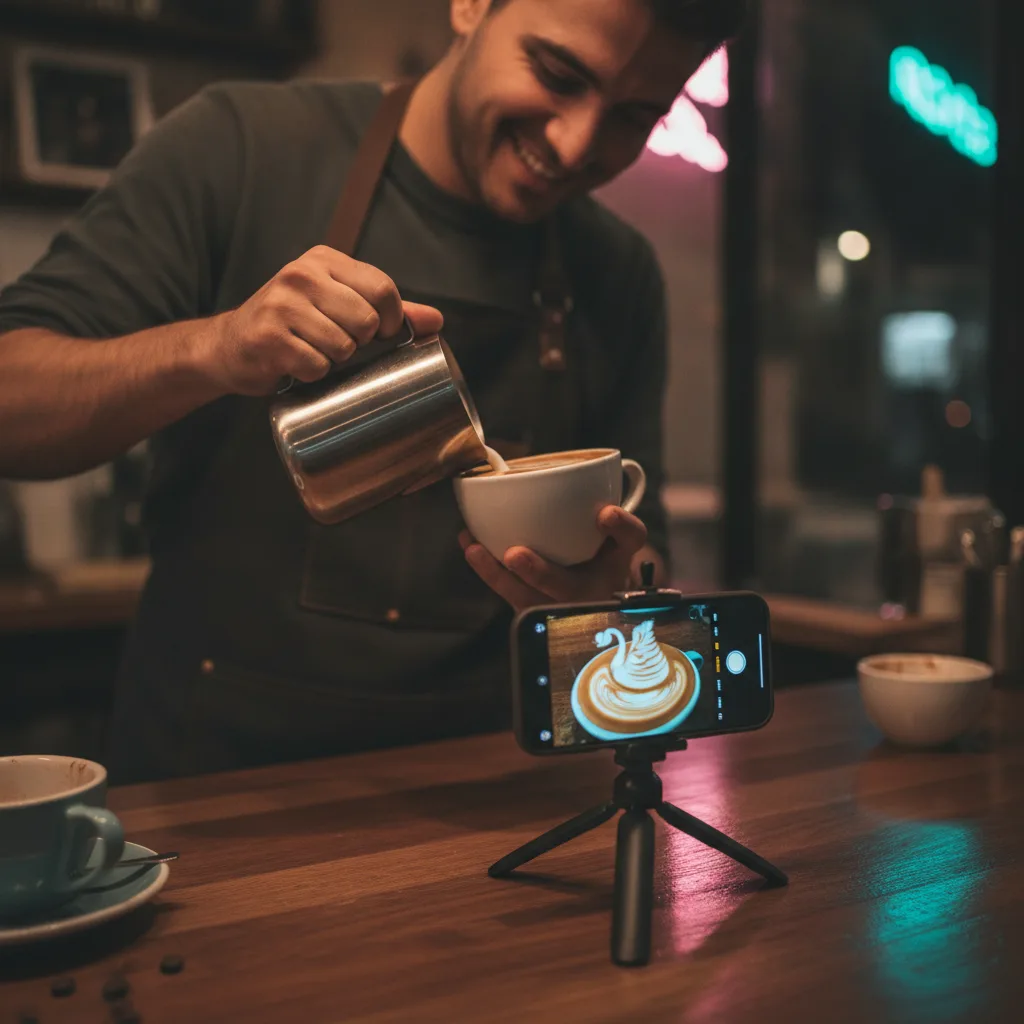
Categories that consistently perform well include: e-commerce brands selling fashion, homewares, beauty or fitness products; food and beverage businesses with strong aesthetic appeal; tradies and local service providers who can show before-and-after results; and education or coaching businesses where the founder’s personality is a key part of the offer. A Sunshine Coast café showing a 20-second clip of their specialty pour-over process, or a local personal trainer sharing a 15-second transformation story, can generate significant local awareness at very low cost.
Where TikTok Ads tend to underperform for small businesses: highly technical B2B services, professional services targeting the 55-plus demographic, and businesses with no capacity to produce regular video content. Running TikTok Ads with a single video and no refresh plan is a common mistake. The platform’s feed moves fast, and creative fatigue sets in within days.
How does TikTok Ads fit alongside Google Ads and Meta Ads?
The most effective paid advertising strategies for small Australian businesses rarely rely on a single platform. Google Ads captures demand that already exists. Someone searching “electrician Sunshine Coast” or “best accounting software for tradies” has a clear intent, and Google Search puts you in front of them at exactly that moment. Meta Ads (Facebook and Instagram) are brilliant for building awareness, nurturing warm audiences and retargeting people who have already visited your website or engaged with your brand.
TikTok Ads sit in a similar awareness-and-discovery lane to Meta, but with a younger, more entertainment-oriented audience and a much stronger emphasis on organic-feeling video. A sensible approach for a small business with a modest paid media budget might be: start with Google Ads to capture high-intent search traffic, layer in Meta Ads for retargeting and lookalike prospecting, and then test TikTok Ads if your creative capacity is there and your audience skews younger.
Running all three channels simultaneously on a shoestring budget spreads spend too thin to get meaningful data from any of them. Prioritise the channel most aligned to your audience and your sales cycle, build confidence and consistency there first, then expand.
What should you watch out for when running TikTok Ads in Australia?
A few practical things catch small business owners off guard. First, TikTok’s ad approval process can take 24 hours or longer, which matters if you are trying to launch a time-sensitive promotion. Build that lead time into your planning. Second, TikTok’s attribution window defaults differ from Meta’s, so comparing results directly without adjusting attribution settings will skew your read of performance. Third, the platform’s minimum audience size requirements mean very localised geo-targeting (a single suburb, for example) can trigger delivery issues. City-level or state-level targeting generally works better.
Also worth knowing: TikTok’s Ads Manager has improved significantly but still has quirks, particularly around pixel event verification and campaign structure. If you are new to the platform, giving yourself two to three weeks just to get tracking firing correctly before spending aggressively is time well spent. Rushing the setup to get ads live quickly is one of the most common reasons campaigns fail to produce readable results.
The businesses that get the most out of TikTok Ads treat it as a medium-term test rather than an instant-results tap. Set a clear 60-day testing window, define what a successful result looks like before you start (cost per lead, cost per purchase, or return on ad spend), and commit to refreshing your creative every two weeks minimum.
Book a consult to find out if TikTok Ads suit your business