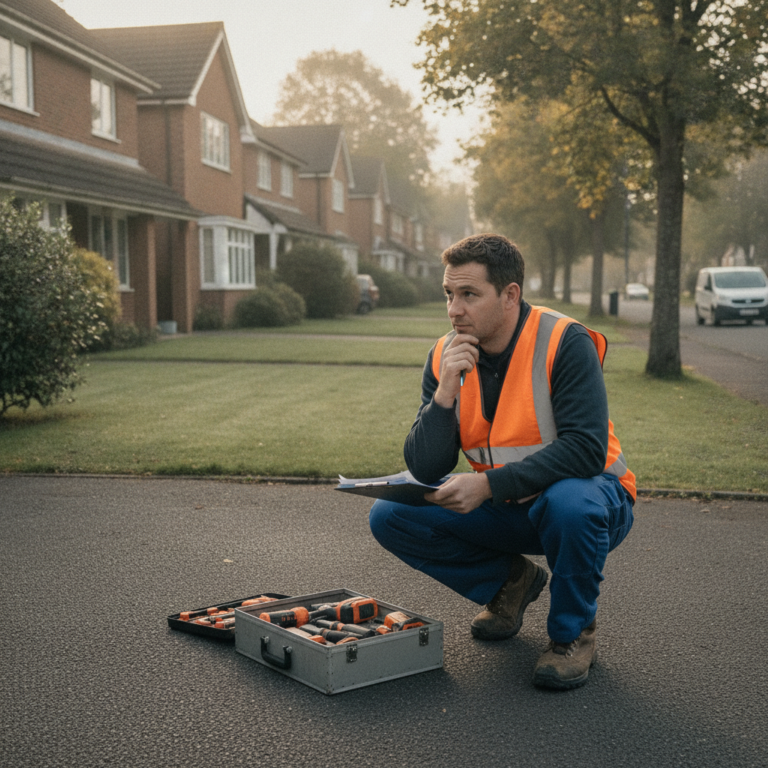

CRM for Tradies in Noosa: Stop Losing Jobs to Missed Leads
CRM for Tradies in Noosa: Stop Losing Jobs to Missed Leads
A CRM for tradies in Noosa is a system that collects every inbound enquiry, tracks where each job stands and sends follow-up messages automatically so no lead goes cold. For a trade business juggling sites, quotes and phone calls, it is the difference between a full calendar and a slow week caused entirely by leads you never knew you lost.
Why do Noosa tradies keep losing jobs to missed leads?
Noosa tradies lose jobs to missed leads because most enquiries arrive at the worst possible moment: mid-install, on the roof or driving between Tewantin and Peregian. When there is no system capturing those calls, texts and Facebook messages, a prospect simply rings the next number on their list. Research by the Harvard Business Review found that responding to a lead within the first hour makes a conversion seven times more likely than waiting just two hours. Most trade businesses are not even close to that window.
The pattern is predictable. A homeowner on Hastings Street wants a quote for a bathroom reno. They message three local tradies. The one who responds first, even with a short automated acknowledgement, wins the job almost every time. Without a CRM holding every conversation in one place, you are relying on memory, sticky notes and a phone that is constantly on silent. That is not a system. That is luck.
Add in the seasonal nature of the Noosa market, where summer brings a wave of holiday-home owners wanting work done before Christmas, and the stakes get higher. A missed enquiry in October could represent a $15,000 renovation that books two weeks of your crew’s time. Multiply that across a year and the cost is staggering.
What does a CRM for tradies in Noosa actually do day to day?
A CRM for tradies in Noosa acts as a central hub that captures every new enquiry, automatically sends an acknowledgement, tracks each lead through the quote-to-job pipeline and triggers follow-up messages when a prospect goes quiet. Day to day it replaces the mental load of remembering who to call back with a clear, automated sequence that runs whether you are on the tools or not.
Here is what that looks like in practice for a Noosa electrician or plumber:
- A missed call at 7 pm triggers an instant SMS: “Hey, it’s James from [Business]. Missed your call, happy to chat about your job. What’s a good time?” The lead stays warm overnight without anyone lifting a finger.
- A web enquiry from a Sunshine Beach homeowner lands in the CRM, which creates a contact record, assigns a follow-up task and sends a personalised reply within two minutes.
- A quote that has been sitting unaccepted for five days automatically receives a gentle nudge: “Just checking in on that quote. Still keen to get this sorted for you.”
- Every conversation, text, call note and quote stage is visible in one screen, so even if a subcontractor or admin person needs to step in, the context is right there.
None of this requires a dedicated office manager. The automation handles the repetitive communication while you handle the actual trade work. That is the point.
How much is lead leakage actually costing a Noosa trade business?
Lead leakage costs a Noosa trade business real money every single week. If your average job is worth $3,000 and you are missing even two enquiries a week because of slow response or no follow-up, that is $6,000 in potential revenue walking out the door. Over a year, that figure compounds into a number that would pay for a new van or an apprentice’s annual wage.
The uncomfortable truth is that most tradies dramatically underestimate how many leads they are missing. A call goes to voicemail at lunchtime. A Facebook message sits unread until Thursday. A web form submission gets buried in an email inbox alongside supplier invoices. None of these feel like disasters in the moment, but each one represents a person who has already decided they want the work done and was ready to book.
Studies on sales follow-up behaviour consistently show that 80 per cent of sales require at least five contact attempts, yet the majority of small businesses stop after one. For a tradie, that first attempt is often just hoping the person calls back. They rarely do. A CRM with automated follow-up sequences closes that gap without you having to remember to chase anyone.
The Noosa market has a particular dynamic worth noting. A significant portion of property owners are based in Brisbane or interstate and manage their Sunshine Coast properties remotely. They research, enquire and make decisions online and via text, often outside business hours. If your systems only work during a standard nine-to-five window, you are structurally disadvantaged in this market.
What should a CRM for a Noosa trade business actually include?
A CRM for a Noosa trade business should include automated lead capture from every source (web forms, calls, SMS and social), a visual pipeline to see every active job and quote at a glance, automated follow-up sequences for new enquiries and unaccepted quotes, and two-way SMS so conversations happen in the channel your customers actually use.
Beyond those core features, the most useful CRMs for trade businesses also handle:
- After-hours response. An AI-powered assistant that can answer common questions, collect job details and book a call-back time, even at 9 pm on a Sunday when a homeowner has just discovered a leaking pipe.
- Quote reactivation. Automated campaigns that re-engage old leads and lapsed quote requests. A prospect who said “not right now” six months ago may be ready to book today, especially if material costs or timelines have shifted.
- Pipeline visibility. A simple board showing every lead from “new enquiry” through to “job complete” so nothing falls through the cracks when you are busy on a big project.
- Centralised contact history. Every SMS, call note and quote tied to a single customer record. No more scrolling through your personal phone trying to find a conversation from three weeks ago.
The goal is not complexity. The goal is a system that works quietly in the background, keeps prospects warm and surfaces the right task at the right moment. A Noosa builder who is running three concurrent projects does not need another thing to manage. They need automation that removes things from their plate.
How is a trade-specific CRM different from generic software?
A trade-specific CRM is different from generic software because it is built around the real workflow of a trade business: capturing enquiries from multiple channels, tracking quotes through an approval stage, following up automatically when no answer is received and re-engaging cold leads from months ago. Generic CRM tools are designed for sales teams with dedicated hours for prospecting, not sole traders on the roof at midday.
Off-the-shelf software like a basic spreadsheet or even a standard CRM platform requires constant manual input. Someone has to remember to update the pipeline, send the follow-up and check whether a quote has been read. For a trade business where the owner is also the operator, that discipline rarely survives contact with a busy week.
The better approach is a system configured specifically for how Noosa tradies actually work: mobile-friendly, SMS-first and automated enough that it runs even when you are not watching it. That is what separates businesses that grow steadily from those that have a great month followed by a quiet one, purely because follow-up fell over during the busy stretch.
Sellstack AI builds this kind of system for local trade businesses on the Sunshine Coast. The platform brings together lead capture, automated follow-up, pipeline management and after-hours response into one place, configured for the way your specific business operates, not a generic template from a Silicon Valley software company.
Build a custom CRM for your Noosa trade business with Sellstack AI