
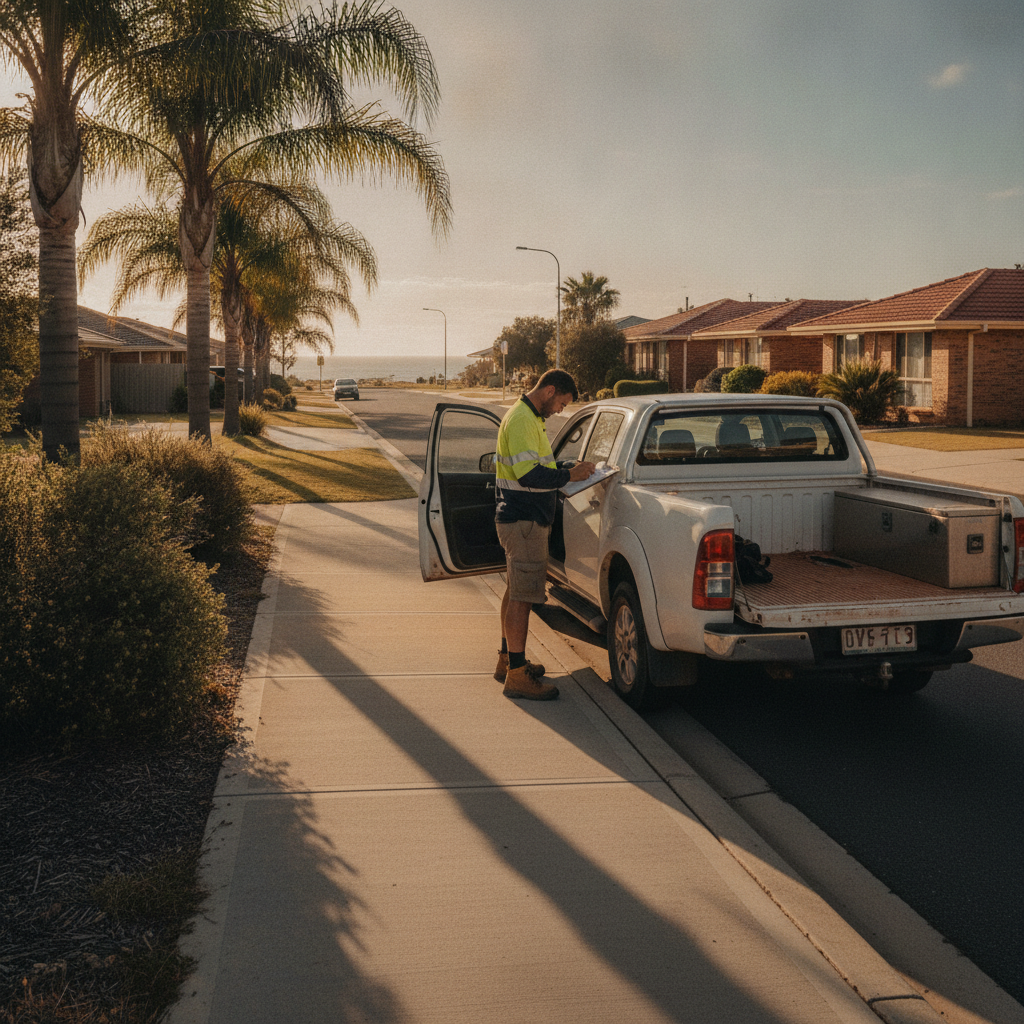
CRM for Tradies in Sutherland Shire: Manage Every Lead Better
CRM for Tradies in Sutherland Shire: Manage Every Lead Better
A CRM for tradies in Sutherland Shire is a system that captures every enquiry, tracks where each lead sits in your pipeline and triggers follow-ups automatically so no job opportunity gets lost. For local trades businesses juggling on-site work and incoming calls, it replaces sticky notes, missed texts and forgotten quotes with one organised workflow.
Why do Sutherland Shire tradies need a CRM in the first place?
Most tradies in Sutherland Shire are flat out doing the work. Managing leads is the job that happens between jobs, and that means it often doesn’t happen at all. A CRM closes that gap by giving every enquiry a home, a status and a next action, so nothing sits unread in a voicemail or buried in an email thread.
Think about a typical week for a plumber or electrician in the Shire. You’re on-site in Cronulla by 7am, you get three calls before 9am, you return one of them at lunch, and by the time you’re back at the van you’ve forgotten the other two names. That’s not disorganisation. That’s just the nature of trade work. The problem is that each of those missed follow-ups represents a real job that someone else will land.
Research on sales follow-up consistently shows that most buyers make a decision after the fifth contact point, yet the vast majority of small businesses give up after one or two attempts. For tradies, that gap is even wider because there’s rarely a formal process at all. A CRM makes the process automatic, not an afterthought.
What should a good tradie CRM actually do?
A good tradie CRM should capture leads from every channel, phone, web form, social and SMS, log them in one place, assign a follow-up sequence and give you a clear view of which quotes are outstanding, which jobs are booked and which prospects have gone cold. It should work the way a tradie works: fast, mobile-friendly and without unnecessary complexity.
Here are the practical things worth looking for:
- Automatic lead capture. When someone fills out your contact form at 10pm or calls while you’re on a roof, the CRM logs them immediately. No manual data entry required.
- Follow-up automation. A sequence of texts or emails goes out on your behalf, checking in on the quote, answering common questions and keeping your name front of mind until the customer is ready to book.
- Pipeline visibility. A simple board that shows you at a glance: new enquiry, quote sent, follow-up due, job booked, job complete. You know exactly where every lead sits without having to dig through your phone.
- Quote tracking. You can see which quotes were opened, which ones are sitting idle and which ones need a nudge. Sending a quote and never following up is one of the most common ways tradies lose work to a competitor who simply called back.
- Reactivation of old leads. A CRM with automation can reach back into cold contacts from months ago, people who got a quote but didn’t book, and give them a reason to re-engage. Timing matters, and sometimes a customer who said no in March is ready to say yes in August.
How does CRM automation change the day-to-day for a Sutherland Shire tradie?
CRM automation changes the day-to-day by handling repetitive communication tasks in the background while you stay focused on billable work. Instead of manually sending a follow-up text two days after a quote, the system sends it for you at the right time, with the right message, whether you’re on the tools or not.
Here’s what that looks like in practice. A homeowner in Caringbah submits a quote request on your website at 8pm on a Tuesday. Within two minutes, they get a text acknowledging their enquiry, confirming you’ll be in touch, and giving them a link to book a quick call. By the time you’re back at the office Wednesday morning, the conversation has already started. That response speed alone dramatically increases the chance of winning the job. Studies on lead response time show that responding within the first five minutes makes a business roughly 21 times more likely to qualify a lead than one that waits 30 minutes.
For a plumber in Miranda or a builder in Engadine, that kind of responsiveness used to require a receptionist. Now it’s handled by a well-configured automation system that works around the clock, including after hours, on weekends and during those weeks when every hour is spoken for.
What makes a CRM work specifically for local trades in the Shire?
A CRM works specifically for local Sutherland Shire trades businesses when it’s built around the way those businesses actually operate: mobile-first, fast to use in the field, integrated with the tools already in place, and capable of handling the high volume of informal enquiries that come in through social, referral and word of mouth.
The Sutherland Shire is a tight community. Referrals move fast through sporting clubs, school networks and street-level conversation. A good CRM helps you capture and respond to those referral enquiries just as professionally as you would a Google Ads lead. That consistency builds reputation, and reputation is the engine of growth for any trade business in a local market.
It also matters that the system doesn’t require a full-time admin person to run it. The best setups for sole traders and small crews are lean: a mobile app, automated sequences that cover the first few touchpoints, and a simple pipeline view that takes 60 seconds to review each morning. Complexity is the enemy of adoption, and if the system is hard to use, it won’t get used.
Is it worth the investment for a small tradie business?
Yes. For a small tradie business, even recovering one or two lost jobs per month that would otherwise have slipped through the cracks more than covers the cost of a CRM system. The return isn’t just in the jobs won from good follow-up. It’s also in the hours saved chasing paperwork, writing follow-up texts manually and trying to remember where each customer conversation left off.
Consider a concretor in Gymea who sends out an average of 15 quotes a month at an average job value of $4,500. If better follow-up converts even two extra quotes per month that previously went cold, that’s $9,000 in additional revenue. Over a year, that’s close to $108,000 in recovered work that the business was already generating enquiries for, just failing to close.
That’s not a hypothetical. It’s what happens when you replace ad hoc follow-up with a structured, automated process. The leads were always there. The system just wasn’t working hard enough to convert them.
The other side of the equation is time. When you’re not spending 45 minutes every evening hunting through old texts to find that customer’s address, you get that time back for the job, for the family or for a break. For tradies running their own business, that’s not a small thing.
A CRM doesn’t replace the quality of your work or the trust you’ve built in the local area. It just makes sure the business side keeps pace with what you’re delivering on-site. And in a competitive local market like the Sutherland Shire, where multiple tradies are quoting the same jobs, the business that responds faster and follows up more consistently will win more often. It’s that straightforward.
Get a custom CRM built for your Sutherland Shire tradie business with Sellstack AI