Missed Call Automation for Brisbane Western Suburbs Businesses
Missed Call Automation for Brisbane Western Suburbs Businesses
Missed call automation is a system that detects an unanswered inbound call and immediately triggers a follow-up action, typically an SMS, an AI voice callback or an automated conversation, so the caller gets a response before they ring a competitor. For Brisbane Western Suburbs businesses handling enquiries across Ipswich, Springfield, Kenmore, Indooroopilly and surrounds, it is the difference between a booked job and a lost one.
Why do so many Western Suburbs businesses lose customers to missed calls?
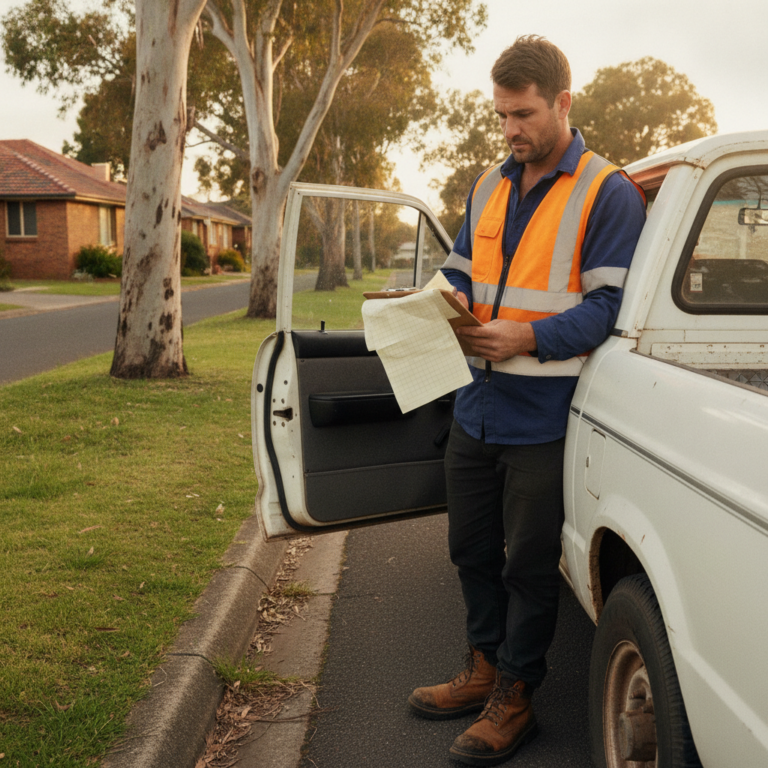
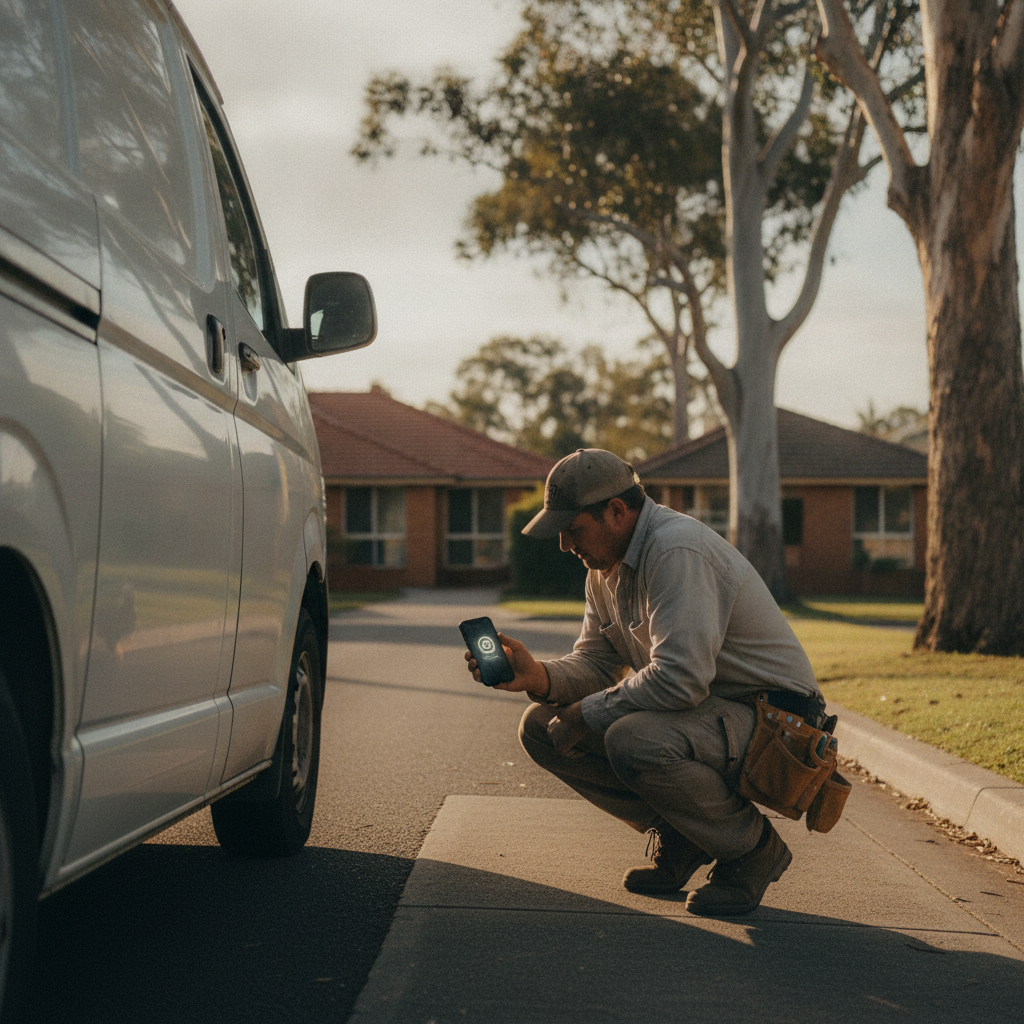
Most small and mid-sized businesses in Brisbane’s west miss calls because the same person answering the phone is also doing the work. When a tradie is on-site, a clinic receptionist is with a patient, or a sole operator is driving between jobs, the phone rings out. The caller moves on within minutes, often ringing the next result on Google before the missed call notification even appears on screen.
Research consistently shows that the odds of contacting a lead drop by over 80 percent if you wait longer than five minutes to respond. That is not a comfortable margin when a customer in Ipswich or Springfield Lakes has three other providers a thumb-scroll away. The problem compounds: a single missed call is annoying, but if your voicemail is full, your call-back comes six hours later, or you never follow up at all, that caller tells people. Reputation in tight-knit western suburbs communities travels fast.
The pattern is predictable. Peak enquiry times tend to cluster around early morning before work, the lunch hour, and after 5 pm, which are exactly the windows when staff are busiest or already gone for the day. Without a system in place, those windows become a reliable drain on revenue.
How does missed call automation actually work in practice?
Missed call automation works by connecting your business phone number to an automated response layer. The moment a call goes unanswered, the system fires a pre-written SMS to the caller, often within 30 seconds, acknowledging them by name if the number is recognised, and offering them a simple next step: book a time, reply with a question, or have someone call them back.
More sophisticated setups layer a Voice AI agent on top of that. Instead of just an SMS, the system can actually call the person back using a conversational AI that sounds natural, can answer common questions about your services, collect the caller’s name and requirement, and even book an appointment directly into your calendar. The caller gets a real response. You get a qualified lead in your inbox without lifting a finger.
The practical flow looks something like this. A homeowner in Kenmore calls a plumber at 7:15 am. The plumber is already under a sink in Seventeen Mile Rocks. The call rings out. Within 30 seconds, the homeowner gets an SMS: “Hi, sorry we missed you. We’re out on a job right now. Reply here or click to book a time and we’ll get back to you today.” That small, automated gesture keeps the lead warm and almost always prevents the caller from going elsewhere. When combined with a Voice AI callback, the homeowner may have already given their address and described the job before the plumber surfaces from under that sink.
What does a missed call actually cost a Brisbane Western Suburbs business?
The honest answer is: more than most owners think, and the maths is straightforward. Take a tradie, allied health clinic or home services business averaging ten missed calls a week. If even three of those callers would have converted at an average job value of $400, that is $1,200 a week in lost revenue. Over a year, that is over $60,000 walking out the door, not because of bad marketing, but because no one picked up.
For allied health clinics in particular, the numbers are sharper. A physiotherapy or psychology practice in the western suburbs typically values a new patient relationship at well over $1,000 across a course of treatment. Missing a first-time enquiry call does not just cost one appointment. It costs the lifetime value of that patient relationship, plus the referrals they might have sent.
There is also the less visible cost of staff time spent on manual follow-up. Chasing a lead that called yesterday, left no voicemail and cannot remember why they rang is a frustrating way to spend a Wednesday morning. Automation removes that friction entirely.
Which Brisbane Western Suburbs industries benefit most from missed call automation?
Practically any business that depends on inbound phone enquiries benefits, but a few sectors in Brisbane’s west see particularly strong results. Trades and home services operators in Ipswich, Redbank, Springfield and Goodna are often owner-operated or run lean crews, meaning phones go unanswered routinely during service hours. Allied health clinics across Indooroopilly, Kenmore and Chapel Hill deal with reception bottlenecks during peak booking times. Real estate and property management offices in the western corridor field a steady stream of after-hours rental enquiries. Local retail and service businesses of all kinds, from gyms to beauty salons, lose walk-in momentum when a caller cannot get through at lunchtime.
The common thread is that these businesses all have a gap between when customers want to reach them and when they are actually reachable. Missed call automation bridges that gap without hiring extra staff.
How is this different from just having a voicemail?
Voicemail is passive. It asks the caller to do work, leave a message, wait, and hope someone calls back. Studies of consumer behaviour show that a large proportion of callers, particularly younger demographics, will not leave a voicemail at all. They simply hang up and call a competitor. Missed call automation is active. It reaches back out to the caller immediately, on a channel they are already comfortable with, and gives them a frictionless next step.
The difference in conversion rates between voicemail and an automated SMS or AI callback is significant. When a caller receives a personal-feeling, immediate response, they feel acknowledged. That emotional moment, receiving a reply within 30 seconds of hanging up, resets their perception of the business before any human interaction has even happened. It signals that this business is organised, responsive and worth dealing with.
What should a Brisbane Western Suburbs business look for when setting up missed call automation?
A good missed call automation setup should do a few things well. First, speed: the response needs to go out in under a minute. Second, relevance: the SMS or voice response should sound like it comes from your business, mention your service area and use a tone that matches your brand. A Kenmore physio clinic and an Ipswich earthmoving contractor need very different voices. Third, the system needs to route qualified responses somewhere useful, into a CRM, a booking calendar or a staff notification, so nothing gets lost in a generic inbox.
It is also worth considering what happens after the first touch. A single automated SMS is better than nothing, but a follow-up sequence that checks back in after 24 hours if the caller has not responded is significantly more effective. The research on lead follow-up is clear: most conversions happen between the second and fifth contact, not the first.
Sellstack AI builds exactly these kinds of systems for small businesses and clinics across Brisbane’s west, combining missed call SMS automation, AI voice agents and multi-step follow-up sequences that keep working while you focus on the job in front of you.
Never miss another customer call , set up Voice AI with Sellstack AI in Brisbane’s West