
Missed Call Automation for Greater Western Sydney Businesses
Missed Call Automation for Greater Western Sydney Businesses
Missed call automation uses AI-powered voice and messaging systems to instantly respond to every unanswered call, capture the caller’s details, and keep the conversation moving, even at 2 am on a Sunday. For Greater Western Sydney businesses fielding enquiries while running busy day-to-day operations, it means zero leads slip through the cracks simply because nobody picked up the phone.
Why are so many Greater Western Sydney businesses losing leads to missed calls?
Most small and medium businesses in Greater Western Sydney miss calls for entirely understandable reasons: the team is with a client, it is lunchtime, or the call comes in after closing. The problem is that the caller rarely waits. Research consistently shows that the majority of callers who reach voicemail simply hang up and try the next business on their search results page. By the time you call back an hour later, they have already booked elsewhere.
The Western Sydney economy is one of the fastest-growing regions in Australia, with the Parramatta CBD alone supporting tens of thousands of businesses competing for the same local customers. When a potential client rings three businesses and only one answers, that business wins the job, regardless of whether your service is better or your price is sharper.
The real cost is rarely visible on a spreadsheet. A missed call is not logged as a lost sale. It simply never appears in your revenue column at all. That invisibility is exactly why so many owners underestimate the problem right up until they run the numbers.
How does missed call automation actually work for a local business?
Missed call automation works by triggering an instant, personalised response the moment a call goes unanswered. Depending on the system, this might be an AI voice agent that calls back within seconds, an automatic SMS that opens a two-way conversation, or a combination of both. The caller gets an immediate response, the business gets the lead captured, and nobody had to physically pick up the phone.
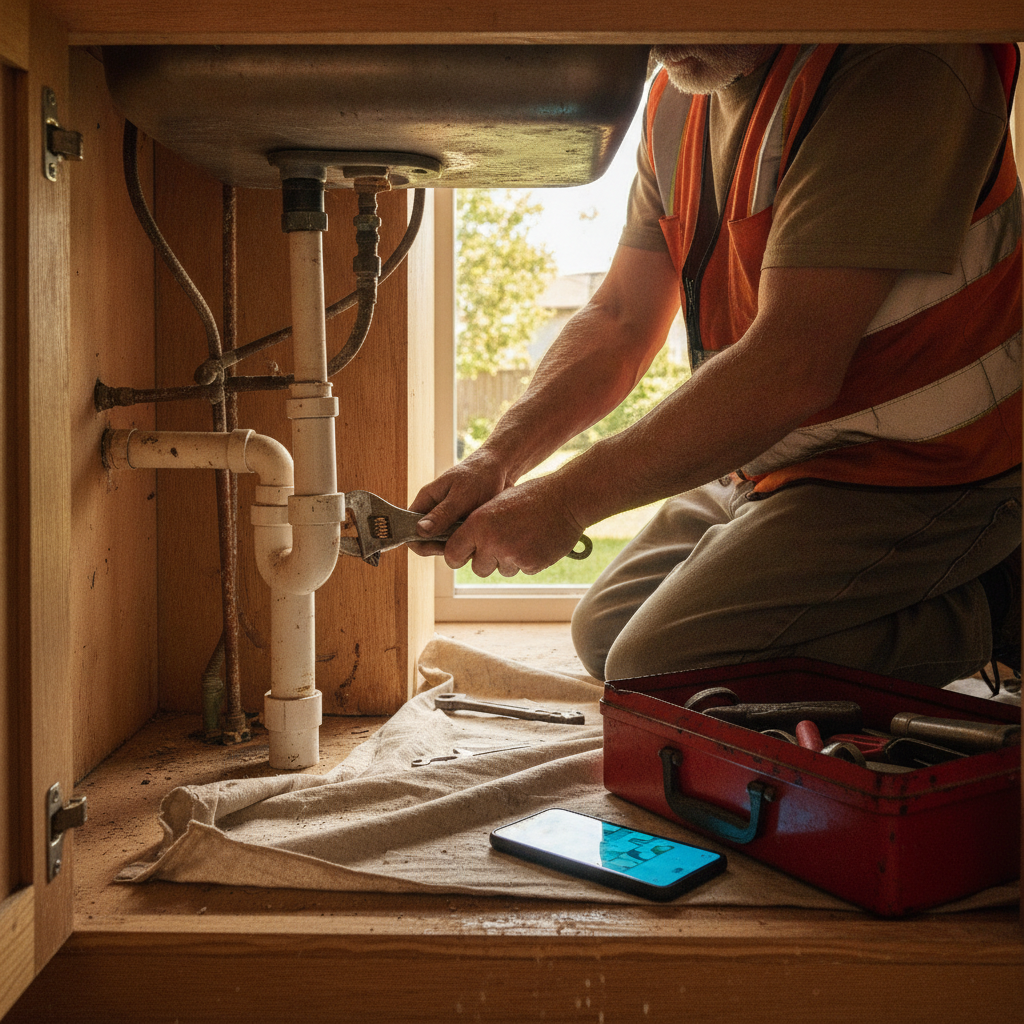
Here is a practical example of the sequence. A tradie in Penrith is under a sink when a new customer calls. The call rings out. Within ten seconds, the caller receives a friendly text: “Hi, sorry we missed you! We are on another job right now. Can you tell us what you need and the best time to call you back?” The customer replies, the system logs the details, and the tradie has a warm, qualified lead waiting when he surfaces for a break. That is the difference between winning and losing a job that could be worth hundreds or thousands of dollars.
More sophisticated setups use a Voice AI agent that answers the call itself, holds a natural conversation, collects the key information, and can even book the appointment directly into a calendar. The caller often cannot tell they are speaking with an AI because the responses are context-aware and conversational rather than robotic menu prompts.
What kinds of Greater Western Sydney businesses benefit most from this?
Any business that relies on phone enquiries and cannot guarantee someone will always be available to answer benefits from missed call automation. In practice, that covers a wide range of industries across the Greater Western Sydney region.
Trades and home services are an obvious fit. Plumbers, electricians, builders and landscapers working across suburbs like Blacktown, Liverpool, Campbelltown and Castle Hill are constantly on-site and physically unable to answer every call. An automated system turns every missed call into a captured lead rather than a gift to a competitor.
Allied health clinics, physiotherapy practices, psychology and allied health providers, and medical administration teams face a similar challenge. Reception staff field calls between appointments, but calls that arrive during a session, at lunch, or after hours simply go to voicemail, and voicemail conversion rates are notoriously poor.
Professional services firms, real estate agencies, mortgage brokers and legal practices also see significant returns. When a prospective client is making a significant financial or legal decision, they want to feel heard immediately. An instant automated acknowledgement keeps them engaged long enough for your human team to follow up properly.
The common thread across all of these is simple: a phone call is an expression of buying intent. Someone picked up their phone, found your number and dialled. That is warm traffic, not cold. Letting it go to voicemail without any follow-up response is one of the most expensive habits a local business can have.
How does missed call automation compare to just hiring extra reception staff?
Hiring a full-time receptionist to cover business hours in Greater Western Sydney carries a significant cost. Factor in salary, super, leave entitlements and training, and you are looking at a substantial annual commitment before that person has answered a single call. And they still cannot cover evenings, weekends or public holidays without overtime costs.
Automation runs around the clock, every day of the year, at a fraction of that cost. It does not call in sick. It does not put callers on hold while it handles another enquiry. And critically, it responds in seconds rather than minutes, which matters enormously because speed-to-lead is one of the strongest predictors of whether an enquiry converts into a sale.
That said, automation is not a replacement for genuine human relationships. The best setups treat the AI as the first responder: it captures, qualifies and holds the lead warm until a real person can take over the conversation with full context already in hand. Your team spends less time chasing cold voicemails and more time closing conversations that are already halfway there.
What should a Greater Western Sydney business look for when setting up missed call automation?
The first thing to look for is speed of response. A system that sends an SMS two minutes after a missed call is better than nothing, but a system that responds within ten to thirty seconds is substantially more effective because the caller is still thinking about you.
Second, look for genuine two-way conversation capability. A one-directional “thanks for calling, we’ll be in touch” message is a courtesy gesture at best. What actually converts is a system that asks a question, receives a reply, and continues the dialogue. That back-and-forth exchange keeps the lead engaged and gathers the information your team needs before they pick up the phone to call back.
Third, consider integration with your existing tools. If your CRM, booking calendar or job management software can receive data from the automation system automatically, your workflow tightens up and nothing gets lost in translation between the AI and your team.
Finally, pay attention to how the system handles out-of-hours calls specifically. After-hours enquiries represent a disproportionate share of missed calls for most businesses, because that is exactly when customers have time to shop around. A system that handles the 7 pm call just as well as the 10 am call closes the single biggest gap in most local businesses’ lead capture process.
Greater Western Sydney is growing fast and competition for local customers is real. The businesses that build reliable, automated systems around their phone channel now will have a structural advantage over those still relying on voicemail. Every call that goes unanswered without an instant follow-up is a vote for your competitor.
Never miss a lead again , set up Voice AI with Sellstack AI in Greater Western Sydney