AI for Small Business in Melbourne Eastern Suburbs: 2026 Guide
AI for Small Business in Melbourne Eastern Suburbs: 2026 Guide
AI for small business in Melbourne Eastern Suburbs means using automated tools to handle the repetitive, revenue-critical tasks that currently fall through the cracks: missed calls, slow follow-ups, unanswered after-hours enquiries and cold leads sitting untouched in a CRM. For most local businesses, these automations pay for themselves within weeks, not months.
Why are Melbourne Eastern Suburbs small businesses adopting AI right now?
Small businesses in suburbs like Box Hill, Ringwood, Croydon, Mitcham and Knox are adopting AI right now because the cost of not responding quickly has become impossible to ignore. Research consistently shows that a lead who does not receive a reply within five minutes is dramatically less likely to convert, and most small business owners simply cannot staff a front desk around the clock to prevent that from happening.
The Eastern Suburbs market is competitive. Whether you run an allied health clinic in Doncaster, a trade business in Bayswater or a professional services firm in Glen Waverley, your potential customers are searching, comparing and booking at 9 pm on a Tuesday. They are not waiting until your receptionist is back at 9 am. They will book with whoever responds first, and right now that is probably not you.
That pressure is driving real adoption. A physio clinic or dental practice that misses six enquiries a week at an average appointment value of $150 is quietly losing more than $45,000 in revenue every year before a single marketing dollar is spent. The maths lands fast, and that is why conversations about AI automation have moved from “interesting idea” to “urgent infrastructure” for businesses across the Eastern Suburbs corridor.
What can AI for small business in Melbourne Eastern Suburbs actually do?
AI for small business in this context is not about building a robot or hiring a software engineer. It covers a specific set of automations: responding to missed calls with an intelligent SMS, qualifying new enquiries through a conversational flow, following up old leads and quotes automatically, and routing warm prospects to a booking or a call without any staff involvement.
Here is what that looks like in practice for a typical Eastern Suburbs business:
- Missed call text-back: A customer rings after hours and hangs up. Within seconds they receive a friendly, personalised SMS that opens a conversation, captures their need and offers a booking link. No staff member required.
- Lead reactivation: That list of quotes you sent six months ago and never heard back from? An AI sequence can work through those contacts with timely, relevant messages, reviving a meaningful percentage of them without anyone picking up the phone.
- After-hours enquiry handling: Web chat and Facebook messages that arrive on a Sunday afternoon are answered immediately, not on Monday morning when the person has already booked elsewhere.
- Appointment reminders and confirmation flows: Automated sequences reduce no-shows and free your front desk from a cycle of manual reminder calls.
None of these require your team to learn a complicated platform. Once set up, they run in the background, every day, without supervision.
Which types of Eastern Suburbs businesses benefit most from AI automation?
Any business that depends on enquiries converting to bookings or quotes converting to jobs will see a direct return. Allied health clinics, dental practices, physiotherapy studios, psychology practices, trades businesses, real estate agencies, mortgage brokers and local retailers with service components are all strong candidates. What they share is a reliance on timely, personal communication and a front desk that is already stretched.
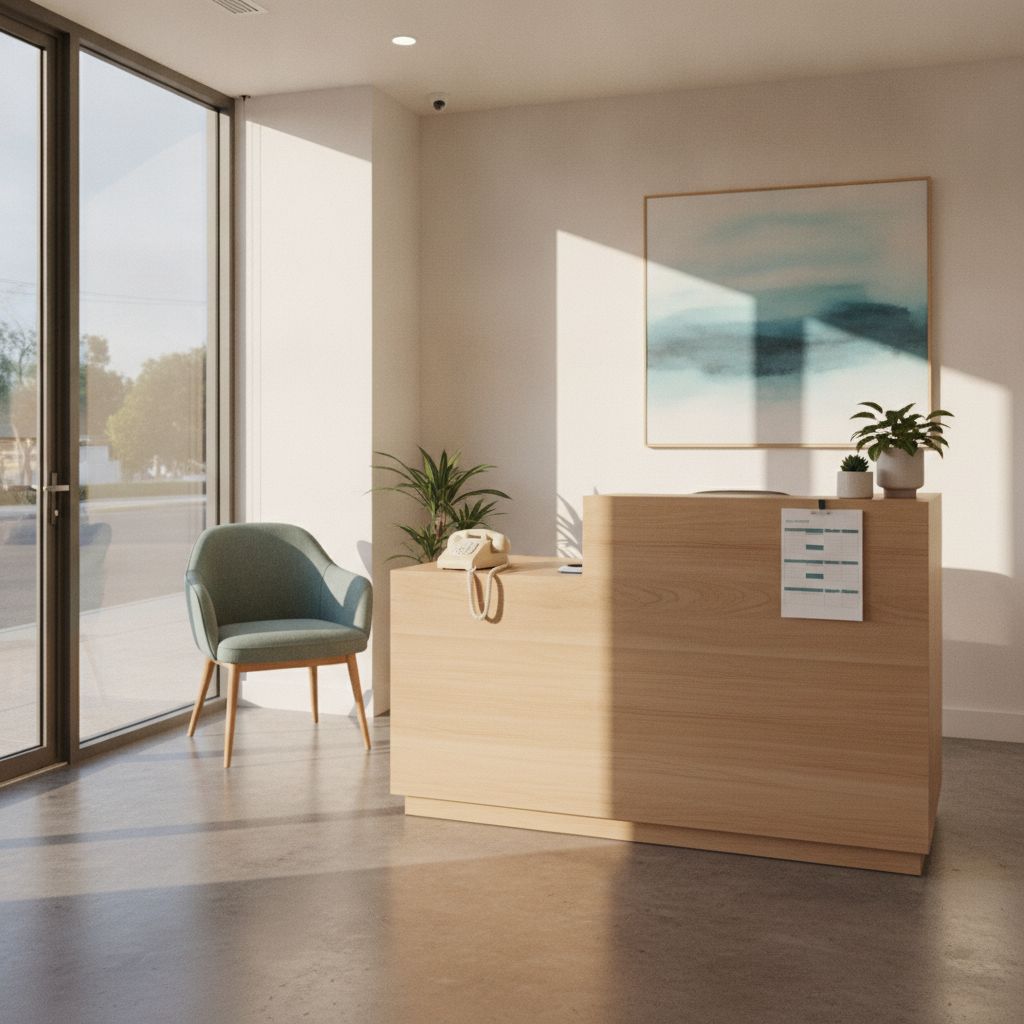
Allied health is a particularly clear example. A well-run clinic books six to ten appointments a day. The administration load is significant: phones, recalls, waitlists, insurance queries, cancellations. When a new patient enquiry arrives and nobody answers, that person moves on. AI automation handles the first-contact layer so that your clinicians and admin team focus on the patients already in the building, not on chasing the ones who just rang and hung up.
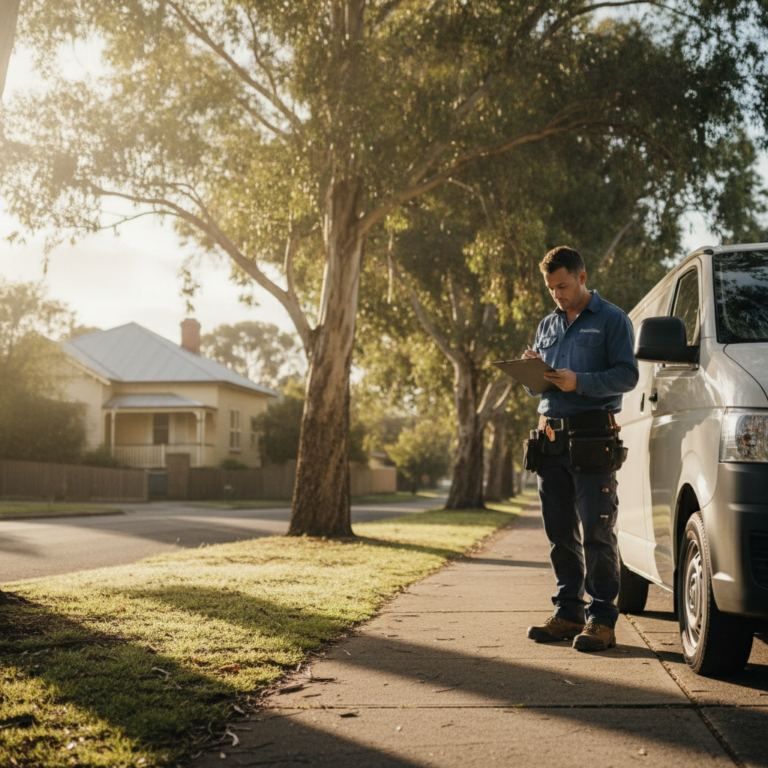
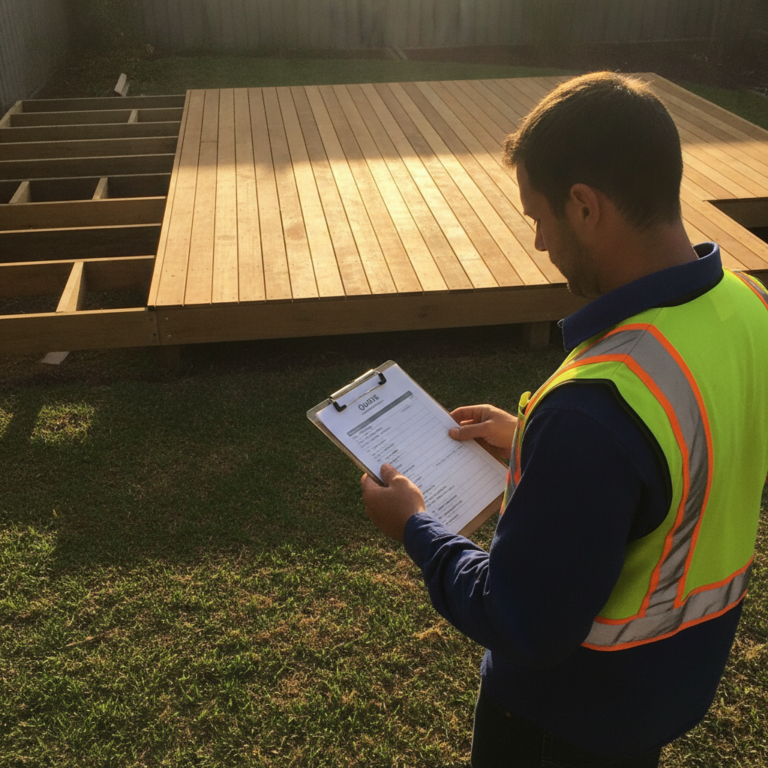
Trades and home services businesses in the Eastern Suburbs face a similar problem from a different angle. Quotes go out, life gets busy, nobody follows up and a competitor wins the job by default. An automated follow-up sequence changes that dynamic without the business owner having to spend an hour on the phone every Friday afternoon.
How much does AI automation cost for a small business in 2026?
The entry point for a practical AI automation setup is much lower than most small business owners expect. Purpose-built platforms designed for small and medium businesses typically run in the range of a few hundred dollars per month, all-in. Compare that to the cost of a part-time receptionist, a missed-call answering service or, more to the point, the revenue value of the leads currently going unanswered, and the case is straightforward.
The more relevant question is not “what does it cost?” but “what does it cost to keep doing nothing?” A business receiving twenty enquiries a week with a 40 percent conversion rate and a $200 average job value is generating $1,600 in weekly revenue from those leads. If slow response times and absent follow-up mean that conversion rate is actually 25 percent instead of 40, the weekly revenue gap is $600. That is more than $30,000 a year disappearing quietly, not through a bad product or poor reviews, but through friction in the response process.
Setup costs vary depending on how much customisation is needed and whether existing tools (CRMs, booking systems, phone providers) need to be integrated. A straightforward implementation can go live in days rather than months.
What should Melbourne Eastern Suburbs business owners look for when choosing an AI solution?
The most important filter is whether the solution is built for your type of business, not just for enterprise clients with a dedicated IT department. Small businesses in the Eastern Suburbs need something that works from day one, connects to the tools already in use and does not require ongoing technical management to stay operational.
Look for these qualities specifically:
- Local understanding: An automation partner who knows the Eastern Suburbs market will set up messaging that sounds like your business, not a generic corporate bot.
- Integration with your booking or CRM system: The automation only works if it talks to your actual workflow, not a separate silo.
- Transparent reporting: You should be able to see how many leads came in, how many were contacted automatically and how many converted. If you cannot measure it, you cannot improve it.
- Human escalation paths: Good AI automation knows when to hand a conversation to a real person. It should make that transition seamless, not jarring.
- Reasonable setup time: Weeks, not quarters. A small business cannot wait six months for a system to go live.
It is also worth being honest about what AI automation is not. It is not a replacement for a skilled team, a good product or a genuine patient or customer experience. It is the layer that ensures your team’s effort is not wasted because an enquiry fell through the cracks before anyone had a chance to shine.
How do you get started with AI for your Eastern Suburbs business?
The practical starting point is an honest audit of where leads are currently being lost. Most business owners are surprised by the number. Count the missed calls from the last thirty days. Check how many web enquiries received a reply within an hour. Look at the quote pipeline and note how many were followed up more than once. That audit usually makes the priority very clear.
From there, a good automation partner will map those gaps to specific solutions and configure the workflows around your existing systems. The businesses that see results fastest are the ones who start with one or two high-impact automations (missed call text-back and a lead reactivation sequence are the two most common) rather than trying to automate everything at once. Build confidence in the system, see the results, then expand.
The Eastern Suburbs is full of excellent small businesses doing genuinely good work. The ones who will pull ahead in 2026 are the ones who stop relying on manual follow-up and start letting smart automation do the consistent, timely work that builds revenue while the team focuses on delivery.
Get Sellstack AI set up for your Melbourne Eastern Suburbs business.