AI for Small Business in Greater Western Sydney: 2026 Guide
AI for Small Business in Greater Western Sydney: 2026 Guide
AI for small business in Greater Western Sydney means using software to handle the repetitive front-of-house tasks that currently eat your time or quietly leak revenue: answering missed calls, following up enquiries, reactivating old leads and keeping your calendar full. The tools available in 2026 are practical, affordable and built to work without a dedicated IT team.
What does AI for small business actually do in Greater Western Sydney?
For most Greater Western Sydney small businesses, AI does the follow-up work that staff either forget, avoid or simply run out of hours to do. That means sending an instant reply when a call goes unanswered, picking up a website enquiry at 9 pm on a Tuesday, nudging a quote that went cold three weeks ago, and confirming appointments so people actually show up. It handles the volume, so your team handles the relationships.
Western Sydney is one of the fastest-growing economic corridors in Australia. Parramatta, Penrith, Liverpool, Blacktown and the Hills District are home to tens of thousands of small businesses competing for the same local customers. The difference between a business that grows and one that treads water is often not the quality of the service. It is how quickly and consistently that business responds to interest.
Research from Harvard Business Review found that the odds of qualifying a lead drop by over 400 percent if you wait longer than five minutes to respond. Most small business owners in Western Sydney are not waiting five minutes. They are waiting five hours, or a full day, because they are elbow-deep in actual work. That gap is exactly where AI earns its keep.
The good news is that the technology has matured enough that you do not need a developer, a data scientist or a six-figure budget. AI automation platforms connect to the tools you already use, including your CRM, your booking system and your phone number, and start working almost immediately.
Which types of Greater Western Sydney businesses benefit most from AI automation?
Any Greater Western Sydney small business that receives enquiries, quotes, bookings or service requests stands to benefit directly. The clearest wins tend to appear in businesses where a single unconverted enquiry represents real money, and where the team is too busy doing the actual work to chase every lead by hand. Trades, allied health clinics, professional services, home services and retail with a service component are all strong candidates.
Consider a physio clinic in Parramatta. The front desk fields calls all morning, but by early afternoon the desk is unmanned while practitioners are in sessions. Every call that rings out between 1 pm and 5 pm is a potential patient booking a competitor instead. An AI that sends an immediate SMS to that missed caller, says “Sorry we missed you, here is a link to book online,” and then follows up automatically if they do not click, turns a lost opportunity into a filled appointment slot. No extra staff required.
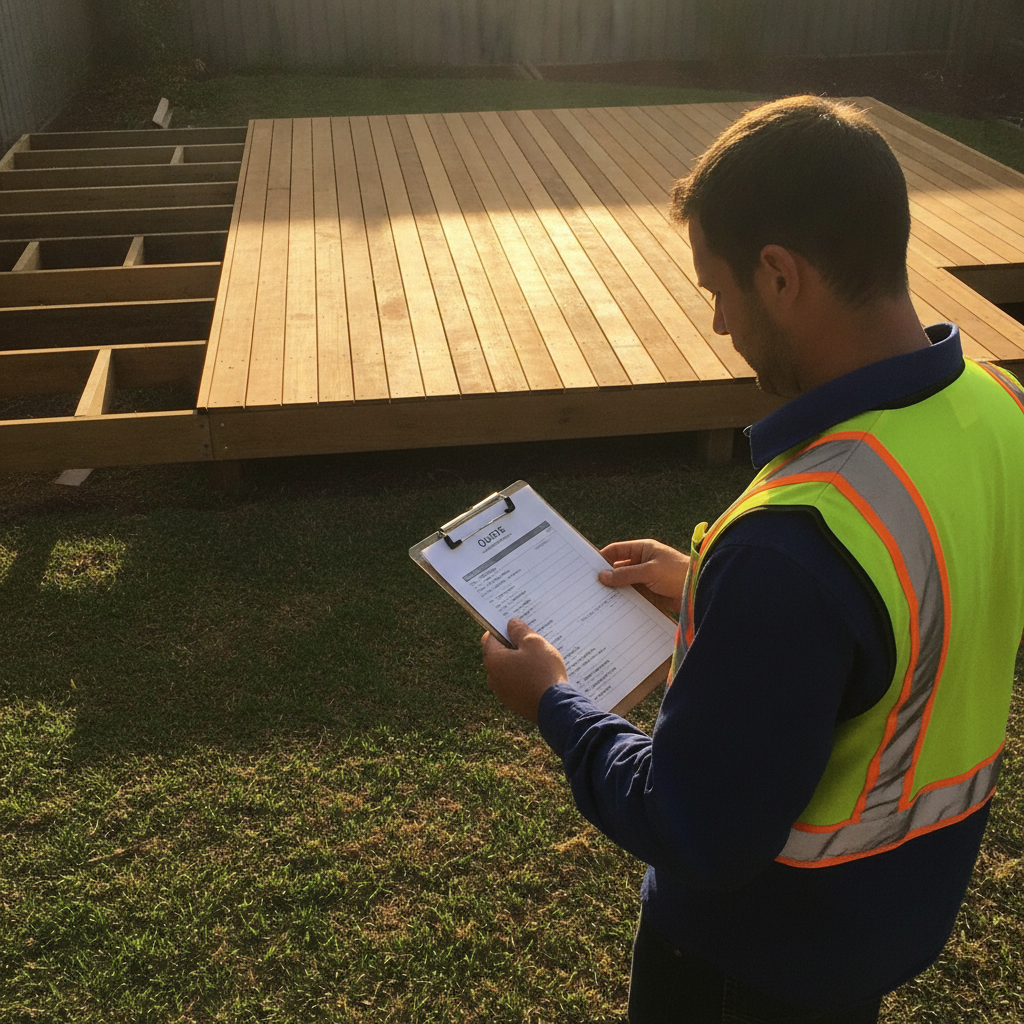
Or picture a building and pest inspection business based in Penrith that sends out twenty quotes a week. Historically, the owner follows up maybe half of them, usually the ones he remembers. The other half sit unanswered. With an automated reactivation sequence, every quote gets a follow-up at day two, day five and day fourteen, each message personalised and sent at the right time of day. Conversion rates on those cold quotes lift meaningfully because the outreach actually happens.
Trades businesses across Blacktown and the Hills District are seeing similar results. The job is often won by whoever calls back first. When a competitor calls back in three minutes and you call back in three hours, the customer has already made their decision.
How does AI handle missed calls and after-hours enquiries for local businesses?
When a call goes unanswered, AI automation triggers an immediate SMS response to the caller, typically within seconds of the missed call. That message can introduce the business, offer a booking link or simply acknowledge the call and invite the person to reply with what they need. Because it arrives while the caller is still thinking about you, the response rate is far higher than a callback made hours later.
After-hours enquiries work in a similar way. A customer fills in your contact form at 10:30 pm. Without automation, that enquiry sits in an inbox until the next morning, by which time the customer may have already contacted two or three other businesses. With AI, they receive a personalised reply within minutes, confirming their enquiry was received and setting an expectation for next steps. That single touch point keeps you in the running.
The key distinction worth understanding is that this is not a chatbot in the traditional sense. The best AI automation for small businesses in Greater Western Sydney works across SMS, email and even voice, and it integrates with your existing systems rather than replacing them. Your team still handles the actual conversations and the real decisions. The AI handles the first response and the follow-up sequences so nothing slips through the gaps.
What does it cost, and is AI automation worth it for a small business budget?
The cost of AI automation for small businesses has dropped sharply in recent years. Most platforms are now priced on a monthly subscription model, often starting in the low hundreds of dollars per month, which makes them accessible to businesses with five employees or fewer. The more relevant question is not what it costs to run the automation. It is what you are currently losing by not running it.
A simple way to think about it: if your average job or client is worth $800 and you are missing or failing to convert five enquiries a month, that is $4,000 in potential revenue walking out the door every thirty days. Even a modest improvement in response speed and follow-up consistency can recover a meaningful portion of that. Many businesses find the automation pays for itself within the first month on the strength of one or two reactivated quotes alone.
There is also a less obvious cost: the time your team currently spends on manual follow-up, phone tag and chasing quotes. Hours spent on those tasks are hours not spent on billable work or on the parts of the job that actually require a human. Automating the repetitive layer gives that time back.
How do you get started with AI automation in Greater Western Sydney?
The most practical starting point is identifying where your biggest leak is. For most small businesses, it is one of three places: missed calls that never get a timely response, website enquiries that go cold overnight, or quotes and proposals that get sent but never followed up. Pick the one that costs you the most and start there.
From there, the setup process is typically straightforward. A good AI automation partner will connect to your existing phone number and inbox, build the response sequences around your business, and have everything live within a week or two. You do not need to rebuild your systems or learn new software from scratch. The automation sits on top of what you already have and fills the gaps.
Greater Western Sydney businesses that act on this in 2026 have a genuine advantage over competitors still relying on manual follow-up. The businesses getting the most traction are not necessarily the biggest or the best resourced. They are the ones that respond fastest and follow up most consistently, because their AI handles both around the clock.
Get Sellstack AI working for your Greater Western Sydney business.