AI Receptionist for Tradies: Never Miss a Job Lead Again
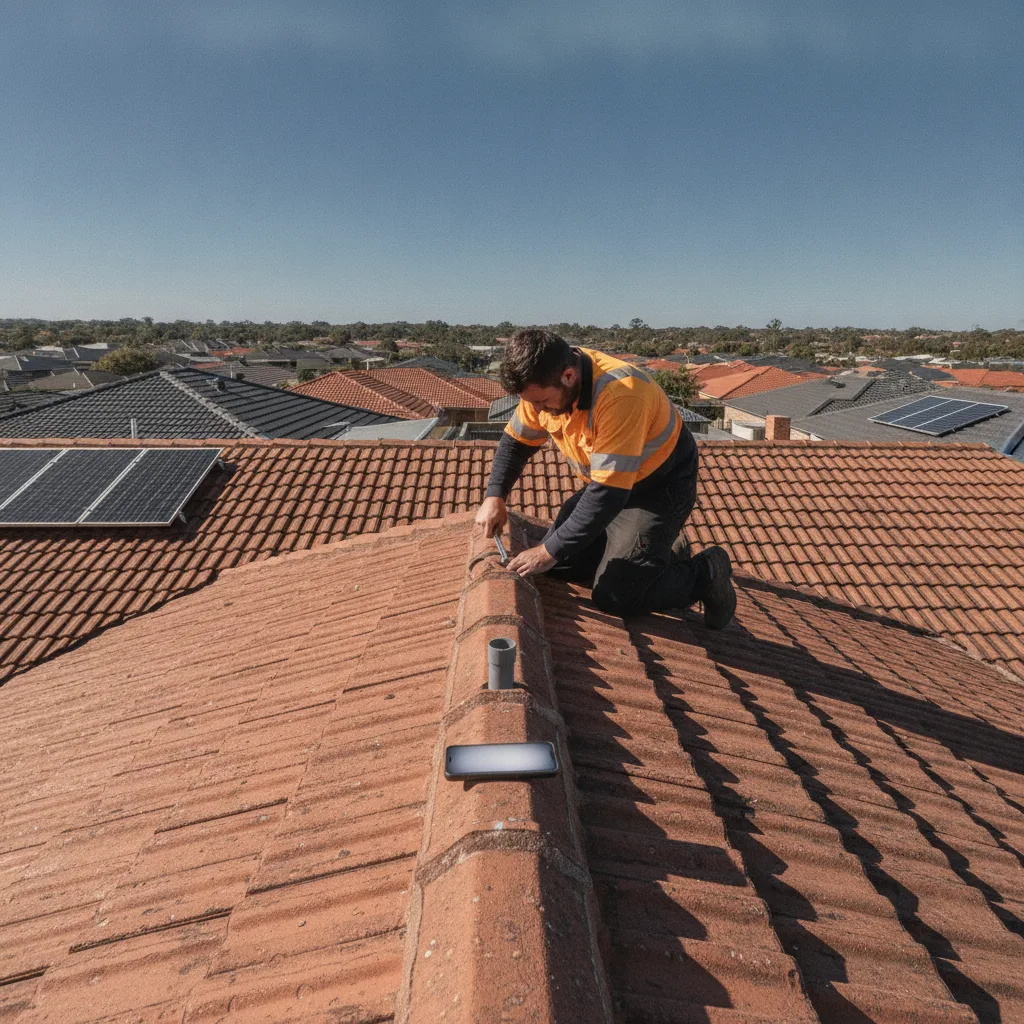
An AI receptionist for tradies is an automated voice assistant that answers inbound calls around the clock, qualifies the caller, captures job details and books appointments directly into your calendar. It means a plumber on a roof, an electrician in a switchboard or a builder on a noisy site never loses a lead because they could not pick up the phone.
Why do tradies keep missing calls, and why does it cost them so much?
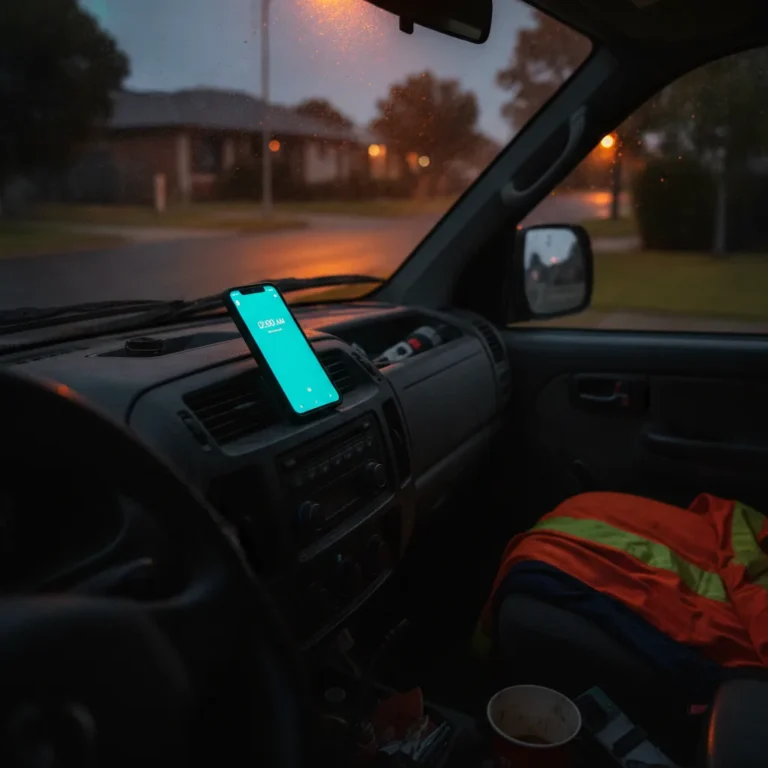
Tradies miss calls because they are physically doing the work that earns them money. You cannot answer a mobile when you are under a sink, operating a nail gun or driving a concreting truck. Studies by BrightLocal found that 62 percent of consumers who call a local business and reach voicemail do not leave a message. They simply dial the next tradie on Google. One unanswered call on a $3,000 bathroom renovation job is a real, quantifiable loss, and it happens dozens of times a week across a busy trade business.
The knock-on effects go further. Missed calls in peak season mean a full job board, but they also quietly erode your Google Business Profile rating over time as frustrated callers leave one-star reviews complaining they could never get through. A traditional receptionist solves the problem but adds a salary, super, leave entitlements and HR complexity that most small trade businesses simply cannot justify.
How does an AI receptionist for tradies actually work?
An AI receptionist for tradies uses voice AI technology to answer a call in natural, conversational speech within one or two rings. It listens to what the caller needs, asks the right qualifying questions (suburb, type of job, urgency, budget range) and either books a time slot straight into the tradie’s scheduling system or sends the job details to the owner as a structured message or email. The caller experiences a helpful, professional conversation rather than a clunky phone tree.
The key difference from older interactive voice response (IVR) systems is that modern voice AI understands natural language. A caller does not need to “press 1 for plumbing.” They can say “my hot water system died this morning and I need someone out today in Maroochydore” and the AI will capture every relevant detail, check availability and confirm the booking, all without a human in the loop. After hours, on weekends and on public holidays, the system behaves exactly the same way. There is no degradation in quality when the owner is asleep.
What types of trade businesses benefit most from an AI receptionist?
Any trade where the owner or team is physically occupied during business hours and where new leads arrive by phone gets an immediate, measurable lift. Plumbers, electricians, builders, roofers, tilers, painters, air conditioning technicians and landscapers are the most common candidates, because their work is inherently hands-on and interruption-prone. Mobile tradespeople who operate as sole operators or with a small crew benefit the most, because they have no admin support at all.
Service-based trades with a high average job value, think HVAC installation, bathroom renovations or solar panel fitting, see the clearest return on investment. When a single converted call is worth $2,000 to $8,000, the economics of never missing a call become very straightforward. Seasonal businesses, like pool and spa technicians or Christmas lighting installers, also benefit enormously during the short windows when call volumes spike and every lead matters.
How is an AI receptionist different from a virtual receptionist service?
A virtual receptionist service employs real humans in a call centre who answer on behalf of multiple clients. They are better than voicemail, but they come with per-minute billing, variable quality depending on which agent picks up, limited hours and no deep integration with your specific job management software. An AI receptionist runs on software, which means the cost is flat and predictable, the quality is completely consistent, and it is available every single hour of every single day without overtime rates.
The other practical difference is speed of setup and customisation. A voice AI system can be trained on your specific services, your pricing tiers, your service area (say, Sunshine Coast and Noosa only) and your preferred booking rules. It will decline to book jobs outside your trade area and flag urgent after-hours calls differently from routine quote requests. A human call centre agent working across fifty different clients cannot replicate that level of specificity.
What should a tradie look for when choosing a voice AI receptionist?
Start with call quality. The AI should sound natural and handle interruptions, accents and background noise without falling apart. Australian accents and regional slang (“arvo”, “arvo call-back”, “she’s urgent, mate”) should be handled gracefully, not misunderstood. Ask for a live demo with a real inbound call scenario before committing to anything.
Next, look at integration depth. The best systems push captured job details directly into tools tradies already use, whether that is ServiceM8, Tradify, Google Calendar or a CRM. Manual data entry defeats the purpose. Also confirm what happens when the AI genuinely cannot handle a call. There should be a clear escalation path, either a warm transfer to your mobile or an immediate SMS alert, so nothing falls through the cracks on a complex or emergency call.
Finally, check the reporting. A good voice AI receptionist gives you a log of every call: who rang, what they needed, what was booked and what was missed. That data is genuinely useful for understanding where your leads are coming from and which job types are most in demand in your area.
How quickly can a tradie get set up with an AI receptionist?
Setup timelines vary by provider, but a well-built voice AI platform designed for trade businesses can typically be configured and live within a few business days. The main inputs required from the tradie are: the services they offer, the suburbs they cover, their available booking windows and any specific questions they always ask new customers (such as “is the property a rental or owner-occupied?”). Once those are dialled in, the system handles the rest automatically.
The onboarding process does not require any technical knowledge from the tradie. It is closer to briefing a new staff member than installing software. The provider handles the technical integration, the phone number setup (either a new number or a forward from your existing number) and the initial testing. Many tradies are genuinely surprised by how little ongoing management is required once the system is running.
If you are a tradie who is tired of watching leads go to a competitor because you were busy actually doing your job, the next step is simple. Book a demo of Sellstack AI’s Voice AI Receptionist for tradies